
What Rising MICI Volumes Signal For Advisors And HNWI Applicants
Panama’s Ministry of Commerce and Industries, MICI, has reported increased application volumes and higher investment totals under the Qualified Investor permanent residence program. For immigration professionals and private client advisors, that signal matters. Demand patterns often change the way files are assessed in practice, even where the legal framework remains constant.
The Panama Qualified Investor permanent residence route sits within the country’s Panama residency by investment offering and is designed for applicants willing to make a qualifying investment. As volumes rise, documentation discipline, source of funds analysis, and file preparation standards become more important for firms stewarding high value clients.
Program Framework And Authority
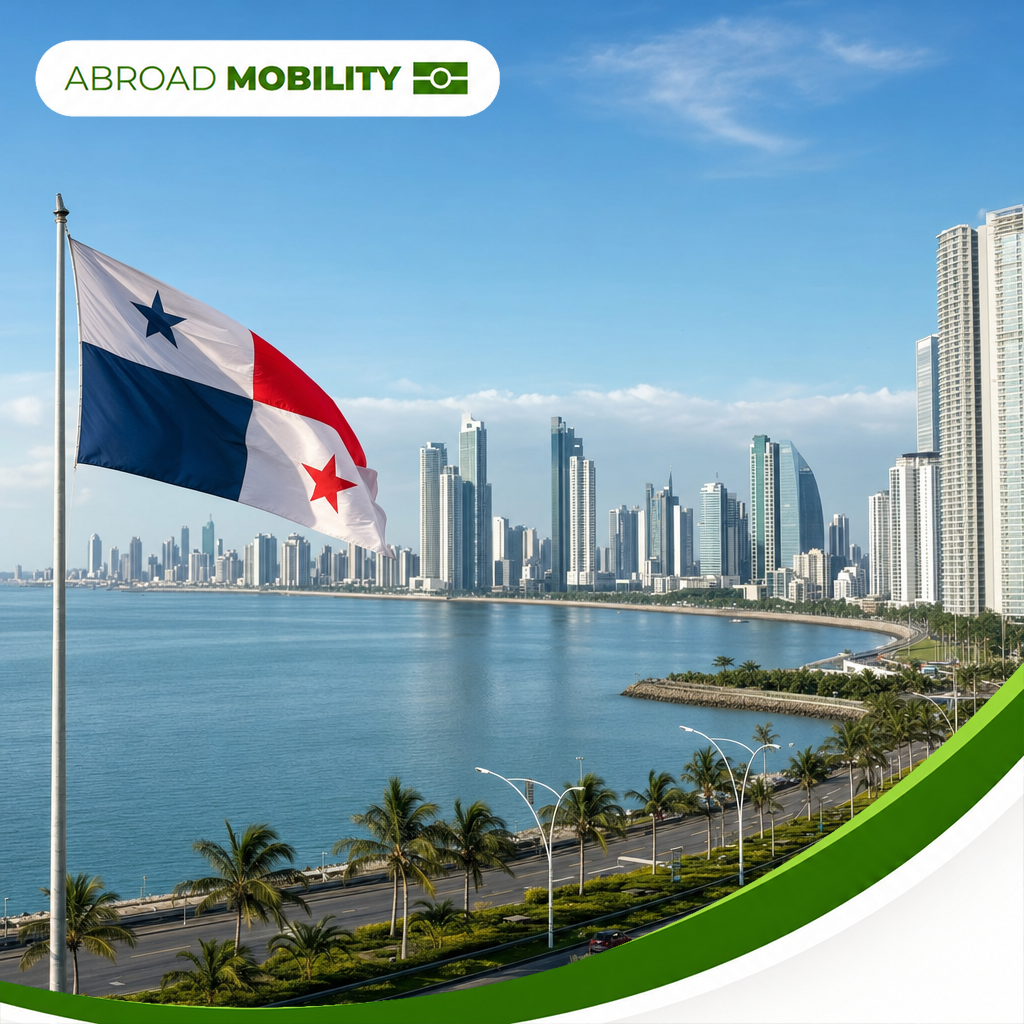
The Qualified Investor permanent residence program falls under Panama’s permanent residence framework and is administered by the relevant Panamanian authorities, with MICI reporting on application volumes and aggregate investment totals. The program is widely referred to as the Panama investor visa or Qualified Investor PR Panama route within the residency by investment space.
MICI’s report of increased application volumes and higher overall investment totals confirms sustained demand. Although no specific figures have been publicly detailed in the research brief provided here, the direction of travel is clear: more applications are being filed and more capital is being committed through the program.
For advisors, rising totals usually correlate with heightened scrutiny of files, particularly in relation to the lawful origin of capital and the consistency of supporting documentation.
Eligibility And KYC Expectations
While final eligibility turns on the program’s formal requirements, which remain subject to case by case government review, certain documentation themes are consistent across residency by investment programs and are particularly relevant where reported volumes are increasing.
Source Of Funds And Documentary Coherence
Applicants under the Panama permanent residence program must be prepared to evidence the lawful origin of funds used for the qualifying investment. In practice, that means aligning banking records, corporate documents where applicable, tax filings if relevant, and transactional history into a file that tells a coherent financial story.
A non obvious implication of rising MICI Panama investment totals is that officers may see a broader variety of asset classes and capital transfer structures. Files that rely on layered holding companies, recent liquidity events, or intra family transfers usually demand additional clarity. Advisors who assemble documentation reactively, only after receiving queries, tend to elongate timelines.
Applicant Profile And Risk Screening
Increased application volumes can also lead to tighter operational screening at intake. Firms should assume full background checks and compliance review remain in place. Case preparation should address residency history, business activities, and any politically exposed person considerations at the outset, rather than waiting for government correspondence.
Professionals can use structured pre assessment tools such as the Eligibility Engine to organize client data before formal submission. Such tools do not replace formal legal advice, but they assist in identifying incomplete areas in documentation before engagement with Panamanian authorities.
Investment Route And Structuring Considerations
The Qualified Investor PR Panama route requires a qualifying investment in line with the program’s rules. Advisors should rely strictly on the current official framework when structuring investments and avoid assumptions based on prior iterations or market commentary. The permissible investment categories and corresponding thresholds must be confirmed against up to date official guidance at the time of filing.
Given MICI’s reporting of higher investment totals, a second order effect may arise for advisory practices: capital concentration in a limited number of projects or instruments can draw regulatory focus to specific channels. Advisors who distribute client interest across compliant, well documented structures may reduce bottleneck risk where a particular investment vehicle experiences administrative delays.
From a client governance perspective, it is also prudent to document why the selected investment aligns with the client’s broader asset allocation and residency objectives. That internal memorandum, retained on file by the advisor, strengthens defensibility if later questioned by compliance teams or counterpart institutions.
Process Expectations And Timing Discipline
No specific processing times are confirmed in the research brief, and advisors should avoid guaranteeing timelines. Rising application volumes reported by MICI may influence administrative throughput, particularly at peak filing periods.
Practically, firms should build conservative client communication frameworks. Engagement letters and advisory notes should reflect that government processing remains discretionary and case specific. Document submission completeness at first filing continues to be one of the few controllable variables affecting overall timeline.
For a detailed overview of the program structure and how it fits within Panama residency by investment options, see Abroad Mobility’s Panama Residency and Citizenship program page, which outlines the broader framework without substituting for tailored legal advice.
Common Pitfalls In A Higher Volume Environment
- Incomplete source of funds narratives that rely solely on bank statements without explanatory context.
- Failure to reconcile corporate ownership charts with declared personal net worth.
- Late stage restructuring of investment vehicles after initial submission.
- Overconfident client messaging that implies guaranteed approval or fixed processing periods.
A higher volume environment tends to magnify these weaknesses. Files that are technically eligible but poorly documented often spend additional time under review.
Implications For B2B Advisory Practices
For Canadian immigration lawyers, boutique firms, and wealth advisors who wish to add the Panama Qualified Investor permanent residence route to their offering, demand growth raises operational questions. Handling cross border documentation, coordinating with local counsel, and maintaining consistent KYC standards require infrastructure.
Abroad Mobility operates as a global investment migration partner offering application co management and back office processing for immigration professionals. Through a compliance first KYC AML and due diligence framework and a government authorized partner network, firms can integrate Qualified Investor PR Panama files into their practice while maintaining client control under a partner revenue share and co management model. This structure reduces the need to build in house multi jurisdictional processing teams.
Requirements for the Panama permanent residence program remain subject to change, and every applicant’s circumstances are assessed individually by the competent authorities. Content here is informational and does not constitute legal or tax advice.
MICI’s confirmation of increased application volumes and higher investment totals places the Panama Qualified Investor permanent residence program firmly on the radar of HNW clients and their advisors. For firms, the differentiator lies in disciplined documentation, conservative client communication, and structured co management with experienced local counterparts.
If your firm is assessing whether to add this route to your offering, review the full program overview and operational model on our Panama Residency and Citizenship page and consider a confidential discussion under NDA.
To discuss how your firm can manage Panama Qualified Investor files, contact Abroad Mobility for a confidential consultation under NDA.
Source: Ministry of Commerce and Industries of Panama (MICI)


