European Border Modernisation Adds A New Compliance Layer For Visa-Exempt Travellers
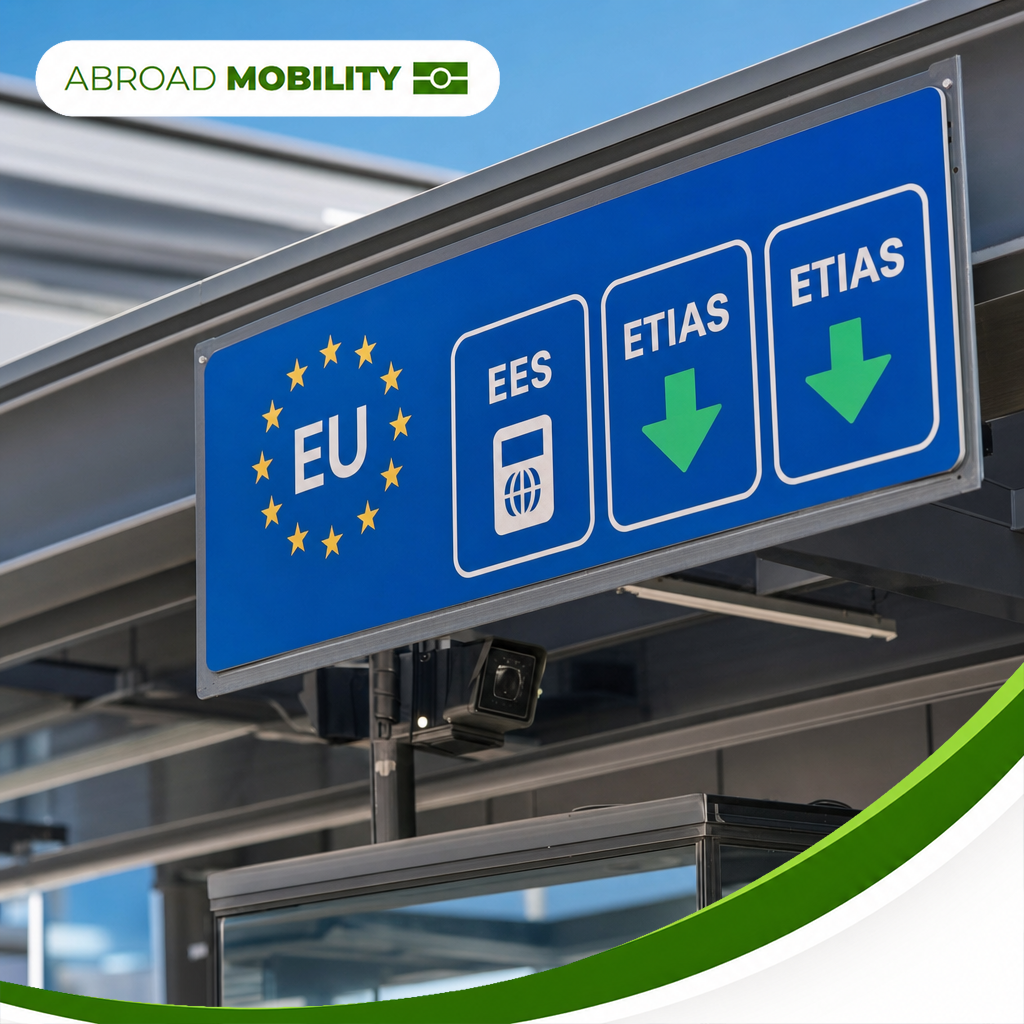
In May 2026, the European Commission confirmed in its State of Schengen Report that the European Travel Information and Authorisation System (ETIAS) will start operating in late 2026. The measure will require visa-exempt travellers, including many citizenship-by-investment and residency-by-investment passport holders, to secure an online travel authorisation before entering the Schengen Area.
For compliance-minded clients and their advisors, ETIAS changes both the documentation rhythm and the predictive value of existing visa-free access lists. It adds a screening layer that affects private travel, family itineraries, and mobility planning from the end of 2026 forward.
What The European Commission Confirmed
The State of Schengen Report 2026 places ETIAS within the EU’s wider border-management system modernisation. It will apply to nationals of visa-exempt countries entering any of the 30 Schengen states for short-term stays of up to 90 days within any 180-day period. The objective, according to the Commission, is security pre-screening and more consistent border data management.
Once operational, ETIAS applications will be submitted through an official portal, generally requiring a valid travel document, personal details, travel history, and a fee. Automated checks will match data against EU database systems such as SIS, VIS, and EURODAC to detect security or immigration irregularities before travel.
Who Must Apply
Citizens of countries currently enjoying visa-free access to Schengen must obtain ETIAS authorisation once the system starts. This includes many second-citizenship or residency-by-investment jurisdictions such as those in the Caribbean, the Pacific, and several European microstates. Dual-national clients should note that each travel document is treated independently. A person holding both a Schengen-visa-required and a visa-exempt passport must use the document linked to an approved ETIAS authorisation.
Family members who travel using a partner’s or minor’s alternate passport must check each passport’s status. In multi-citizenship households, overlooking ETIAS distinctions could result in entry refusals or secondary inspection in advance-clearance airports.
Practical Scenarios
- Caribbean citizenship-by-investment holders travelling from Dubai or Doha will need ETIAS approval linked to that CBI passport.
- Investors holding an EU country residence permit who travel with a visa-exempt non-EU passport may still require ETIAS at an external border, even if they own property or maintain long-term residence inside the EU.
- Private-jet operators arranging direct arrivals into Schengen must verify ETIAS status through passenger data before departure, as border pre-clearance checks will integrate with flight manifests.
Common Refusal Triggers
Refusals may arise from data discrepancies, expired or damaged passports, or prior Schengen overstays recorded in the Entry/Exit System (EES). Information mismatches between citizenship and residence records could also trigger system holds pending manual review. Advisors should maintain exact alignment between client travel documents, residence records, and declared biometric data.
Another potential friction point is criminal-record reporting across jurisdictions. Minor discrepancies, particularly where names appear differently across citizen registries or CBI certificates, can cause temporary denials until clarified. Maintaining certified translations and up-to-date identity files can mitigate these issues.
Validity And Renewal
The ETIAS authorisation is expected to remain valid for multiple short-term visits within a defined multi-year period, provided the passport itself remains valid. Any new passport issuance automatically voids the previous ETIAS, requiring a fresh application. CBI clients who regularly renew passports on five-year cycles should schedule renewals early and synchronise ETIAS reapplications to avoid travel interruptions.
What Has Not Changed
ETIAS does not alter which nationalities are visa-exempt, nor does it replace national visas or residence permits. Investors still need to comply with individual Schengen country entry conditions, proof-of-funds requirements, and security databases. ETIAS merely adds a pre-departure confirmation layer rather than changing the underlying 90/180-day rule or border-control purpose.
Advisory Perspective For Professional Firms
Law firms, wealth advisors, and family offices coordinating multi-passport travel should treat ETIAS readiness as a documentation audit exercise. Each client file should map all active passports, check each passport’s visa-exemption status, and plan for ETIAS registration where required.
For portfolio citizenship holders selecting investment routes, ETIAS underscores the difference between raw visa-free counts and actual travel usability. Program comparisons should factor in authorisation obligations, pre-clearance wait periods, and biometric data integrity. The GAMI Mobility Index already accounts for ETIAS-type layers, presenting a more realistic view of practical accessibility than simple country tallies.
Preparation Timeline
The Commission expects rollout in stages through late 2026. Advisors can use the lead time to align client records, verify travel histories, and anticipate how authorised versus pending status will appear on carrier systems. Firms managing families with students or elderly parents should establish internal workflows so renewals are not overlooked during extended stays abroad.
Once the live application portal opens, early registration across all eligible passports within client holdings is advisable. Operating firms can build this step into their standard pre-trip compliance checklist alongside insurance and entry-declaration reviews.
ETIAS marks a significant shift from intrinsic visa-free access to conditional authorisation for Schengen entry. For globally mobile investors and advisory firms, disciplined document management will determine how frictionless practical travel remains from 2026 onward.
Professional readers can explore how different second-citizenship programs compare on real-world access metrics through Abroad Mobility’s GAMI Mobility Index to refine passport selection and client travel planning.
Contact Abroad Mobility to discuss ETIAS readiness and client planning
#ETIAS #Schengen #TravelCompliance #CitizenshipByInvestment #ResidencyByInvestment #GlobalMobility #EUBorders #GAMIIndex