
Visas Required For Five Countries From 1 November 2026
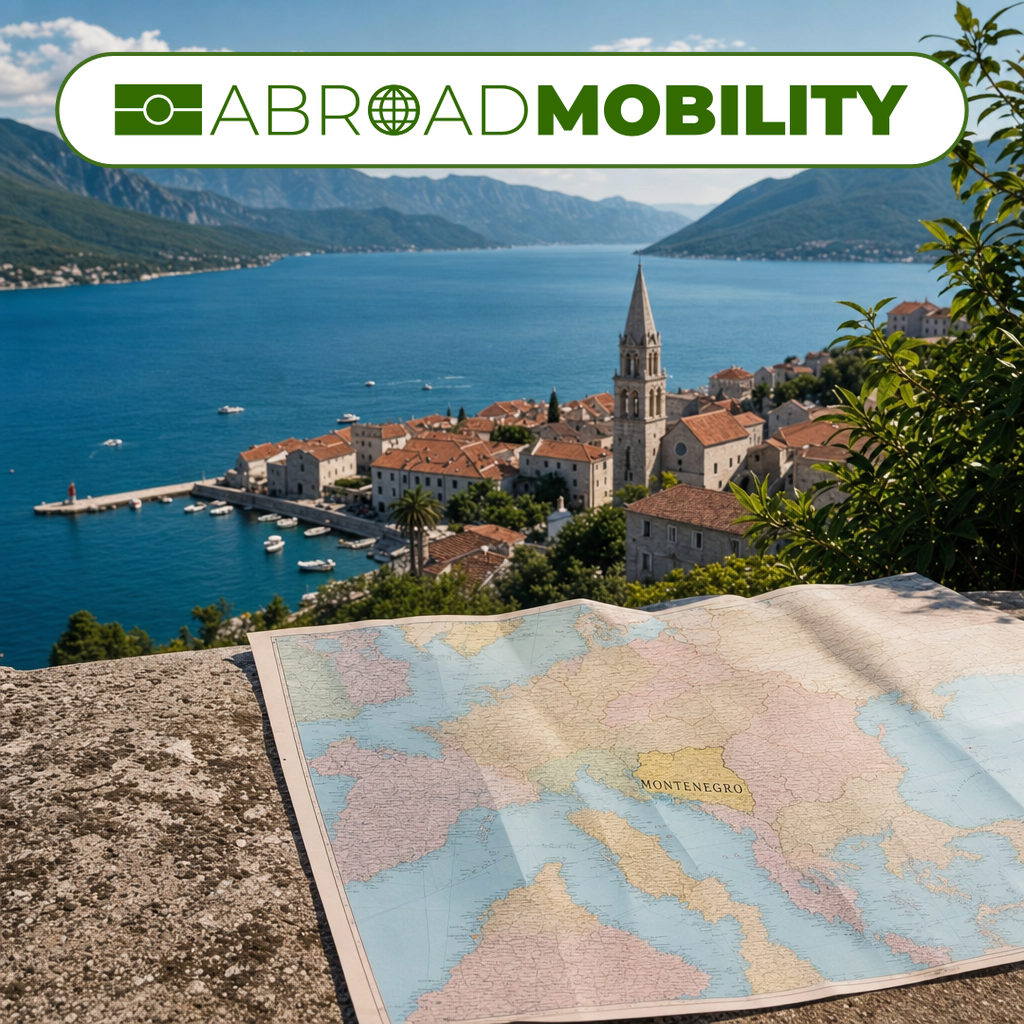
The Government of Montenegro has confirmed that, from 1 November 2026, nationals of Belarus, China, Russia, Saudi Arabia and Türkiye will require a visa to enter Montenegro. The measure forms part of Montenegro’s ongoing alignment with the EU visa regime.
For immigration professionals and private client advisors, this change is technical but significant. Any client travel planning, residency structuring or mobility analysis that relied on visa free access to Montenegro for these nationalities requires reassessment ahead of the 1 November 2026 effective date.
What Changes On 1 November 2026
From 1 November 2026, Montenegro will require visas for nationals of:
- Belarus
- China
- Russia
- Saudi Arabia
- Türkiye
This adjustment tightens Montenegro’s entry regime to reflect EU visa alignment obligations. The policy choice sits within the broader framework of Western Balkans convergence with EU standards, including visa policy coordination.
Advisors should treat this as a hard procedural shift rather than an incremental administrative tweak. Where clients from the affected jurisdictions previously travelled without securing an entry visa, a formal visa application process will now apply for short stays.
What Has Not Changed
The announcement concerns entry requirements only. It does not, on its face, modify Montenegro’s underlying immigration categories, residence permits or investment related frameworks. Existing statutory criteria for residence, documentation requirements and case review remain in place unless separately amended.
For professional practice, that distinction matters. Entry visas govern access for short stays and initial travel. Residence status, once granted under Montenegro’s immigration law, is assessed under its own criteria and procedures. Standard documentation, background checks and government review continue to apply on a case by case basis.
Client Planning Implications
The immediate effect is operational. Corporate visitors, founders assessing relocation options, and wealth holders conducting due diligence trips will need to factor visa timelines into travel calendars from 1 November 2026 onward.
A second order impact lies in perception. EU visa regime alignment signals Montenegro’s continued policy convergence with the European Union. For some globally mobile families, this direction of travel can carry diplomatic and regulatory weight when assessing jurisdictional risk.
Where mobility benchmarking feeds into passport or residency strategy discussions, tools such as the Global Abroad Mobility Index (GAMI) provide a starting framework for structured comparison. They should be used as orientation tools only. Final advice and structuring decisions require counsel review and up to date confirmation of entry and residence rules.
Operational Steps For Advisory Firms
Advisory firms serving clients from Belarus, China, Russia, Saudi Arabia and Türkiye should:
- Audit current travel calendars that extend beyond 1 November 2026 and identify Montenegro touchpoints.
- Update client briefing notes and relocation memoranda to reflect the new visa requirement.
- Coordinate with local counsel on practical filing processes and documentary expectations.
Given that visa regimes remain politically sensitive, further alignment steps cannot be excluded over time. Regular monitoring is prudent, particularly for clients engaged in active residence or cross border structuring projects in the Western Balkans.
For firms advising globally mobile clients, the 1 November 2026 Montenegro visa shift is a compliance trigger. Travel assumptions must be revised ahead of the effective date, and client communications should reflect the EU alignment context clearly.
Advisors seeking structured support across residency and mobility programs can review Abroad Mobility’s co management framework for immigration professionals on our Strategic Partnership Program page.
For assistance or to discuss bespoke support, contact Abroad Mobility.
Source: Government of Montenegro


