
Legislation Introduces Audits and a 30-Day Residency Requirement in Antigua’s Citizenship by Investment Program
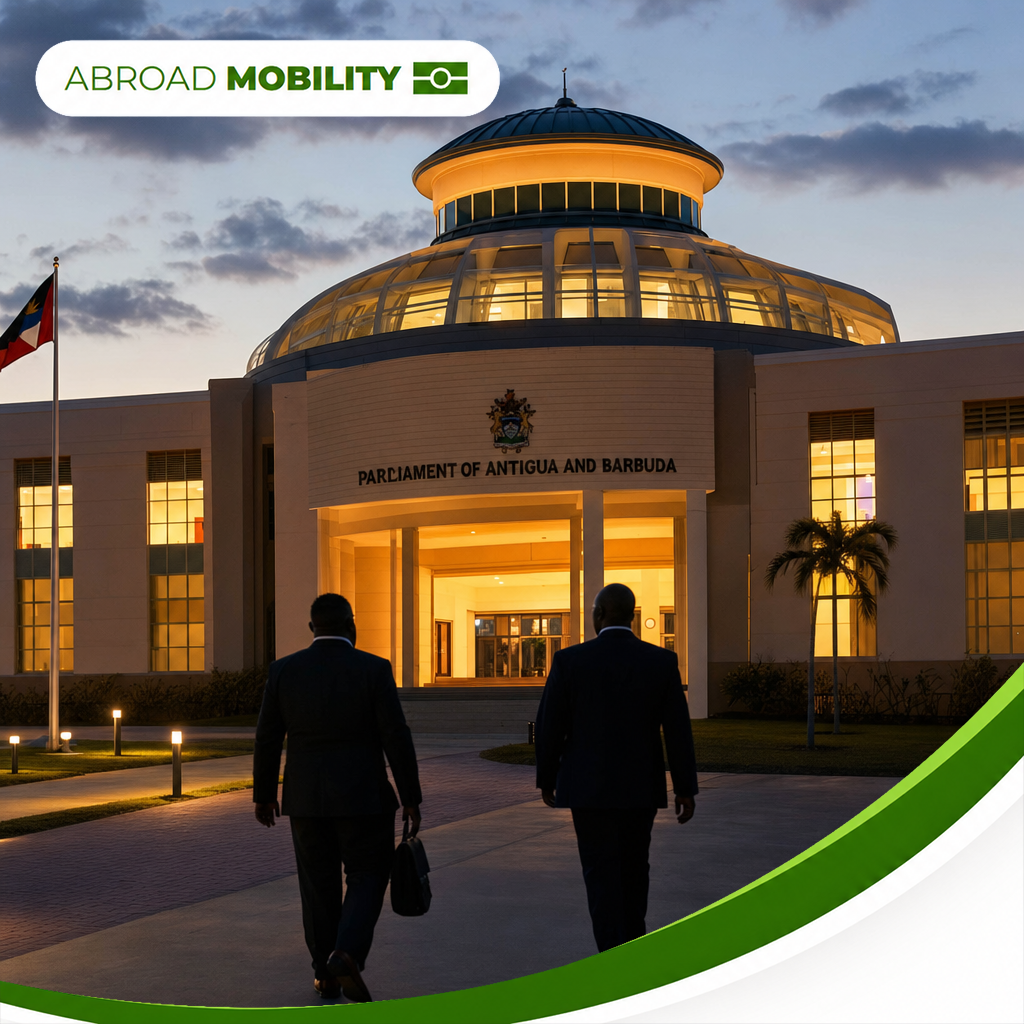
The Antigua Observer Newspaper has reported the presentation of the Citizenship by Investment Program (CIP) Amendment Bill 2026, signaling the country’s intent to tighten compliance and oversight standards for its citizenship program. The Amendment reportedly introduces audits and an existing five-day residency requirement, adding fresh layers of transparency to an already regulated pathway for investors.
For immigration professionals, wealth advisors, and licensed agents, these developments mark a procedural turning point that will likely reshape case management workflows and client advisories. The reform signals a national push for enhanced accountability in the investment-migration field.
What The Amendment Bill Changes
The Antigua Observer reported that the CIP Amendment Bill 2026 establishes audits within the administration of the Antigua and Barbuda Citizenship by Investment Program (CIP). This represents a formalized process for reviewing program operations and applicant compliance, which may affect how files are prepared and reviewed by approved agents and their back-office partners.
The Bill also references the five-day residency requirement. While specific implementation guidance is expected from authorities, the inclusion of a defined residency period underscores a shift toward greater physical and economic connection between investors and the jurisdiction granting nationality. Advisors will need to prepare clients for this condition during pre-screening and onboarding.
Implications For Regulated Advisors
Professionals managing investor-citizenship files should anticipate more extensive documentation requests and timing adjustments once the Bill takes effect. Audits could require stricter tracking of source-of-funds validation, banking documentation, and evidence of approved local accommodation during the required stay. For compliance-first partners, this offers an opportunity to demonstrate process integrity.
Abroad Mobility’s co-management partnership model provides the back-office depth and due-diligence control that licensed immigration professionals increasingly need when new statutory conditions arise. It is designed for firms advising high-net-worth clients who demand compliant, audit-ready filings under evolving program legislation.
What Remains Unchanged
While the Amendment tightens oversight, investors are still required to satisfy the standard eligibility and documentation structure governed by the Citizenship by Investment Unit (CIU). Government review, background screening, and source-of-funds verification remain mandatory under existing provisions. The updated law therefore builds on, rather than replaces, the existing framework.
Advisory Perspective
For global mobility advisors and Canadian firm partners using Abroad Mobility’s infrastructure, the audit introduction highlights the growing importance of verifiable compliance files. Practitioners should revisit their internal KYC procedures and update client disclosure templates to reflect the anticipated 30-day residency stipulation. Firms already operating through a centralized due-diligence hub or integrated AML workflow may find adaptation more straightforward.
The CIP Amendment Bill 2026 signals Antigua’s determination to reinforce program credibility by embedding accountability mechanisms. Advisors serving investor clients should begin adjusting documentation checklists and travel coordination practices to align with the emerging residency clause and audit oversight.
To explore structured support for your firm’s citizenship-by-investment workload under compliance-first co-management, visit the Abroad Mobility Partnership Program.
For tailored support, contact Abroad Mobility via the Abroad Mobility contact page.
Source: Antigua Observer Newspaper


