A Project Vetting And File Control Workflow Based On CBIU Guidance
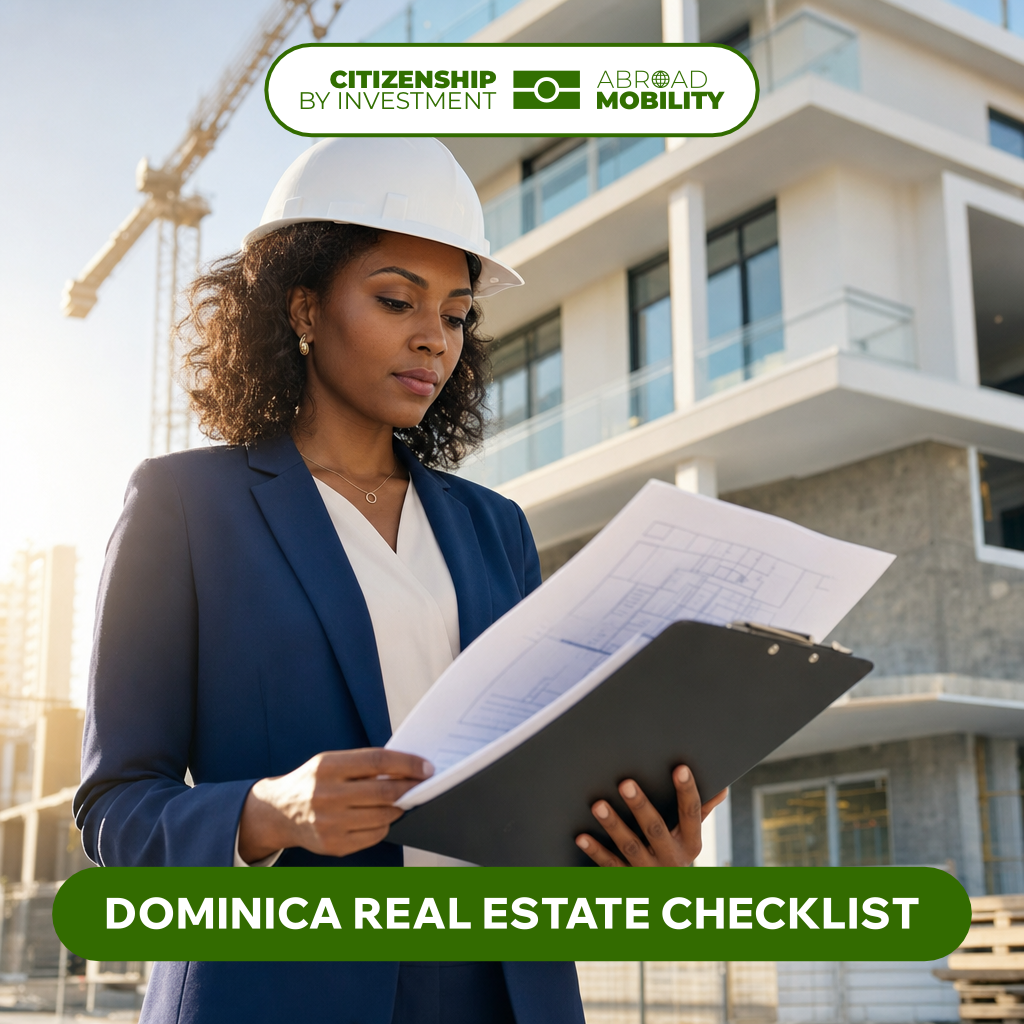
The Dominica Citizenship by Investment Unit (CBIU) has published guidance reiterating a point that still triggers avoidable client disputes: a general real estate purchase in Dominica does not, by itself, qualify an applicant for citizenship under the real estate option.
For firms running co-managed files, the operational lesson is straightforward. Project eligibility is a separate gate from applicant due diligence, and it needs its own documented verification step before funds are committed or contracts are signed.
This checklist is designed for immigration lawyers, wealth advisors, and real estate intermediaries to harden intake, reduce misaligned client commitments, and keep your documentation defensible for a dominica approved real estate cbi case.
What The CBIU Guidance Says (And Why It Changes File Handling)
CBIU guidance states that applicants must invest in Government-Approved Real Estate for the Dominica Citizenship by Investment real estate option. A purchase in the general market, even if it is a legitimate property transaction in Dominica, does not meet the real estate option’s eligibility standard described by the CBIU.
The same guidance cites a minimum qualifying investment of US$200,000 in an approved project. For intake teams, this means the project name and its Government-Approved Real Estate status are not marketing details. They are threshold eligibility facts that should sit alongside identity and source-of-funds checks as part of “file completeness” before client commitments escalate.
This is where a compliance-first, documented approach matters. An advisor can complete extensive applicant due diligence and still lose the case, because the selected property was never eligible under the Government-Approved Real Estate channel. Treat project eligibility as a first-class control, not a downstream check.
Partner Checklist For Dominica Real Estate CBI Cases
1) Verify The Project Is Government-Approved Real Estate
Before your firm accepts funds into escrow, signs a reservation, or issues client-facing confirmation, verify that the property is a Government-Approved Real Estate project. The CBIU guidance ties eligibility to approved-project status, so the verification must be explicit in your file notes and client communications.
Practical control for partner teams: designate a single internal “project gatekeeper” owner per file, and require their written sign-off that the intended purchase is Government-Approved Real Estate. This prevents the common failure mode where a client believes “any property in Dominica” qualifies while the legal team assumes the project is approved because a broker said so.
2) Confirm The Minimum Qualifying Investment Is Met
The CBIU guidance cites a minimum qualifying investment of US$200,000 in an approved project. Set this as a non-negotiable intake checkpoint in your dominica citizenship by investment real estate workflow, and ensure the figure is reflected consistently across your engagement letter scope summary, client one-pager, and internal case plan.
Client communication should attach the number to the approved-project definition. The minimum is relevant only in the context the CBIU describes, namely Government-Approved Real Estate, which helps reduce the risk of clients mistaking an amount threshold for an “any property” rule.
3) Map Holding-Period Constraints As A Deal Term, Not A Footnote
The CBIU guidance references holding-period expectations for initial holding and later resale to another CBI applicant. Incorporate these holding-period expectations into the commercial deal review as early as possible, because they can affect how clients assess liquidity, exit planning, and resale pathways in the context described by the CBIU.
Operationally, this belongs in two places. First, in the transaction summary your file team uses to track the project, unit, and investment amount. Second, in the client-facing materials that explain why the investment behaves differently from a general market purchase.
4) Separate Project Eligibility From Applicant Due Diligence In Your Workflow
Project eligibility and applicant due diligence are distinct gates. A clean, defensible file treats them separately with their own evidence sets, internal sign-offs, and client disclosures. This structure also supports clean co-management handoffs: a partner can validate the project first, then progress to KYC and due diligence for the applicant as a separate, documented phase.
In a B2B immigration infrastructure model, this separation also reduces errors introduced by mixed responsibilities across teams. Real estate intermediaries can focus on Government-Approved Real Estate verification and commercial documents, while immigration professionals focus on KYC and due diligence assembly. Abroad Mobility’s Partnership / White-label model is designed for this type of task separation and co-management, where the file remains coherent and audit-ready.
Client-Facing One-Pager Copy: Why “Any Property Purchase” Fails Eligibility
Purpose: Use this text as a one-page insert for clients considering a Dominica real estate purchase tied to citizenship. Keep it in your engagement pack and send it before a reservation agreement is signed.
- Eligibility is linked to Government-Approved Real Estate. CBIU guidance states applicants must invest in Government-Approved Real Estate for the real estate option.
- A general market purchase does not qualify under the real estate option. Purchasing property in Dominica does not itself qualify an applicant for citizenship under the real estate option described by the CBIU.
- The minimum qualifying investment referenced by the CBIU is US$200,000. The guidance cites a minimum qualifying investment of US$200,000 in an approved project.
- Holding-period expectations apply in the context described by the CBIU. The guidance references holding-period expectations for initial holding and later resale to another CBI applicant.
One-line implementation note for advisors: pair this one-pager with your internal “approved-project verification” sign-off to keep the commercial and immigration workstreams aligned from day one.
How To Use Abroad Mobility Tools Without Diluting Source Discipline
For firms that run multiple cross-border matters, use the Eligibility Engine as a structured intake layer to capture the client’s intended route, the project identity, and the basic eligibility narrative as your team understands it. Then anchor the project eligibility decision in the CBIU’s own language: Government-Approved Real Estate, minimum qualifying investment of US$200,000, and the holding-period expectations referenced by the guidance.
This approach creates a clear audit chain. Your file shows a deliberate, dated decision that the selected property fits the route, rather than an implied assumption embedded in broker emails and draft sales materials.
Program Risks And Change Control For Partner Teams
The core file risk addressed by the CBIU guidance is misalignment: clients or intermediaries treat a Dominica property purchase as sufficient for citizenship under the real estate option, then learn late that Government-Approved Real Estate status is the real eligibility trigger. That failure can convert quickly into sunk costs and relationship damage, even where the applicant profile and documentation are otherwise strong.
Change control response: treat “approved-project status confirmed” as a mandatory milestone in your case plan. Your teams should not advance from project selection into downstream steps until that milestone is met and recorded. This keeps dominica cbiu approved projects verification from becoming an afterthought.
| Control Point | CBIU Guidance Element To Cite In File Notes |
|---|---|
| Project eligibility gate | Applicants must invest in Government-Approved Real Estate |
| Minimum investment gate | Minimum qualifying investment of US$200,000 in an approved project |
| Holding-period gate | Holding-period expectations for initial holding and later resale to another CBI applicant |
| Client communication gate | Buying property in Dominica does not itself qualify an applicant for citizenship under the real estate option |
Caveat: the listing above follows the CBIU guidance wording, and eligibility remains case-specific.
Compliance Notes (File Hygiene For Co-Managed Cases)
- Keep a dedicated “project eligibility” section in the file with the project name and the Government-Approved Real Estate verification step recorded.
- Record the minimum qualifying investment of US$200,000 as a numeric checkpoint tied to the approved project, not as a standalone threshold.
- Track the holding-period expectations referenced by the CBIU as part of the transaction summary that sits alongside the immigration workflow.
- Use a client one-pager that repeats the CBIU framing: eligibility depends on Government-Approved Real Estate, and a general property purchase does not qualify under the real estate option.
Disclaimer: this content is informational and does not constitute legal advice.
CBIU has drawn a bright operational line for Dominica real estate files: Government-Approved Real Estate status drives eligibility, and the cited minimum qualifying investment is US$200,000 in an approved project, with holding-period expectations referenced for initial holding and later resale to another CBI applicant.
If your firm wants co-managed controls that keep project vetting and applicant due diligence distinct and auditable, use Abroad Mobility’s Strategic Partnership Program (Co-Management Back-Office for Immigration Professionals) as the operating layer for intake, documentation, and partner handoffs.
For co-managed controls and intake support, Contact Abroad Mobility.
#DominicaCBI #InvestmentMigration #CitizenshipByInvestment #KYC #AML #DueDiligence #ImmigrationLaw #WealthAdvisors #FamilyOffice